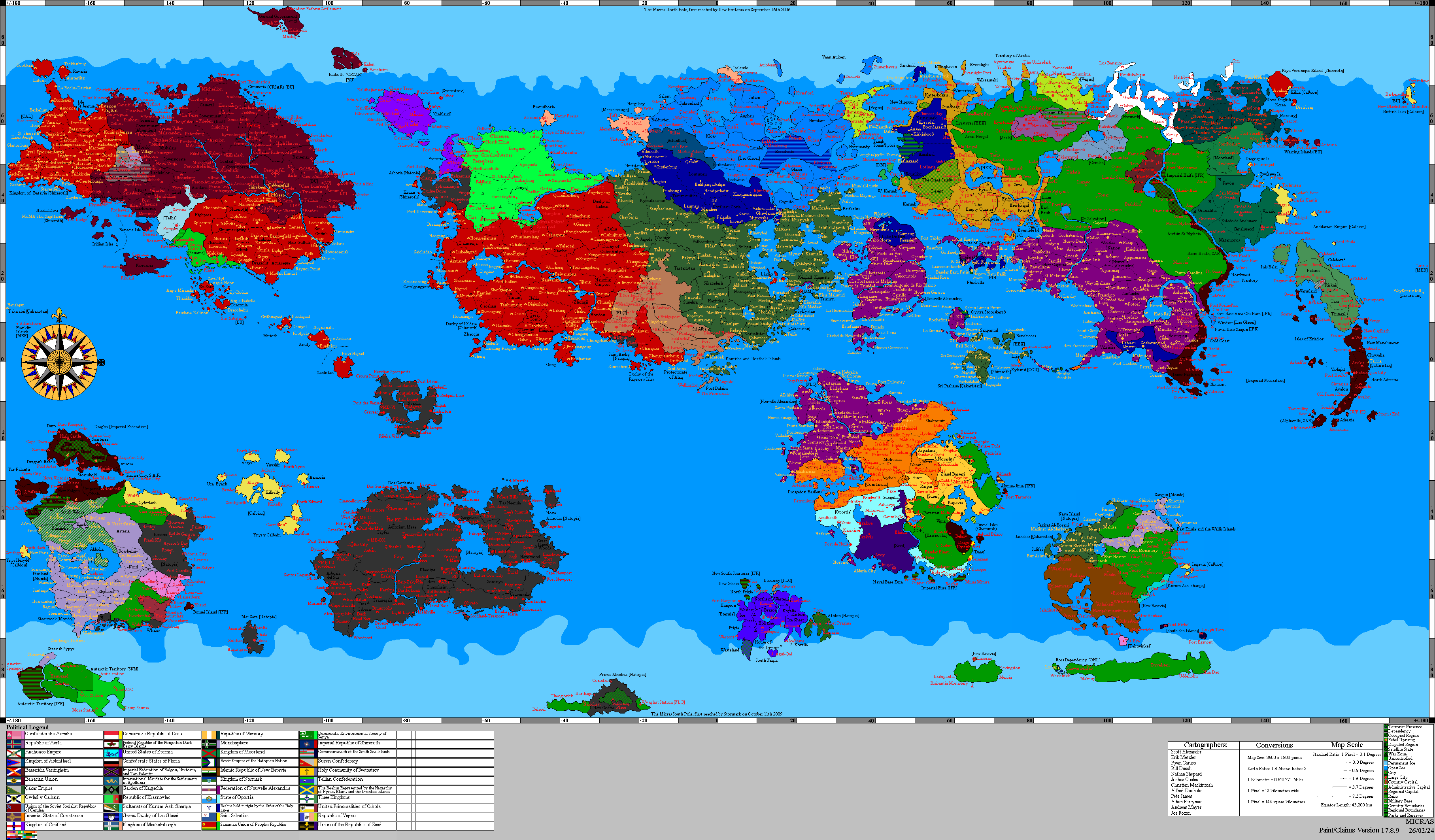
Treaty of Maulikpur
The Treaty of Maulikpur between the Çakar Empire and the State of Sanpantul was signed in Maulikpur on 9.XV.1759 AN by Talal Sayfasad, Grand Vizier of Çakaristan, for Çakaristan, and Jissoji Yukinaga, Vice-president of Sanpantul, for Sanpantul.
Text


TREATY OF MAULIKPURBETWEEN
THE ÇAKAR EMPIRE
AND
THE STATE OF SANPANTUL
His Majesty, Xunpadshahan, Shahanshah of Çakaristanand
His Majesty, Takashihito, Emperor of Sanpantul
Article I – Peace and friendship
There shall be a firm and perpetual state of peace and friendly relations between His Majesty, the Shahanshah of Çakaristan and His Majesty, the Emperor of Sanpantul, between Their Heirs or Successors, and between the Çakar Empire and the State of Sanpantul, in this treaty the High Contracting Parties, and between their Citizens, without discrimination.Article II - Sovereignty and territorial integrity
Each High Contracting Party shall respect the independence, sovereignty and territorial integrity of the other party. The High Contracting Parties shall continue to develop and consolidate the relations of sincere friendship, good neighbourliness and comprehensive cooperation existing between them on the basis of the aforesaid principles as well as those of equality and mutual benefit.Article III - Airspace
Each High Contracting Party commits that any overflight of its airspace by aircraft registered upon the territory of the Other High Contracting Party, whose source and destination are outside the jurisdiction of the Overflown High Contracting Party and which make no intermediate landing upon the territory of the Overflown High Contracting Party, shall be considered to fall outside the remit of customs or immigration regulations and wholly outside the jurisdiction of any Third Parties, without prejudice to the exclusive right of the Overflown High Contracting Party to approve or deny such overflight as it sees fit.The High Contracting Party can set up a Prohibited airspace, an overflight is strictly prohibited. The High Contracting Party informs about Prohibited airspace and appropriate punitive measures follow an overflight of an aircraft registered with the other High Contracting Party.
Article IV – Diplomatic mission
The High Contracting Parties will maintain regular contacts with each other on major international problems affecting the interests of both of their countries and governments by means of meetings, and exchanges of views between their leading statesmen, visits by official delegations and special envoys of the governments, and through diplomatic channels.The High Contracting Party will make an embassy available for each other. For the embassy, associated grounds, associated vehicles, leading statesmen, visits by official delegations, special envoys of the governments and ambassadors, diplomatic immunity applies.
Each High Contracting party recognizes and respects the procedures of acceptance by the ambassador, by handing over a letter of credence, which is addressed from one head of state to the other asking to give credence.
Article V - Recognition of bureaucracy
Each High Contracting Party gives to the other full faith and credit to all public acts, records, contracts and judicial proceedings in the field of civil law, including records and documents on marriage, property, titles, death and inheritance, in as much as any act, record, document, contract, proceeding is done according to the law.Article VI - Permanent peace and non-aggression
The High Contracting Parties undertake to maintain permanent peace and non-aggression. Any form of aggression against each other’s sovereignty is regarded as a breach of this treaty. This also applies to indirect support, whether diplomatic or material, for aggression against one of the High Contracting Parties.Article VII - Transfer of the Beneluccas and Sri Pashana
No later than 60 Norton Days after the signing of this treaty, the Beneluccas and Sri Pashana, as shown on the attached map, shall be transferred to the State of Sanpantul. The receiving nation guarantees the following:
1. The inhabitants shall be granted citizenship of the State of Sanpantul. No later than 60 Norton days after the transfer, residents may confirm their Çakari citizenship and retain their passports;
2. A consulate of the Çakar Empire shall be opened in Schaarlecht and Sri Luthore;
3. The State of Sanpantul recognises Craitism; believers within the Confederation may practise their faith freely and without constraint. All believers fall under the religious authority of the Grand Mufti of Çakaristan;
4. The High Contracting Parties shall operate a daily scheduled flight between Schaarlecht and Agra and between Sri Luthore and Agra;
5. The State of Sanpantul assumes responsibility for the treaty obligation entered into by the Çakar Empire under the Treaty of Lija regarding the operation of daily ferry services between Al-Makhfir and Sri Luthore, Al-Makhfir and Tormenta, Bilat al-Khayr and Schaarlecht, and Qalat-Fishta and Tormenta;
6. The Çakar Empire will lease Bell Rock Island from the State of Sanpantul for a term of 100 Norton years, with the option to extend the lease for further periods of 100 Norton years each, in return for an annual payment of 100 Muhar. There will be no military presence on Bell Rock Island, except as necessary for security and coastguard services.Article VIII - Free trade
The High Contracting Parties shall open their markets to free trade amongst themselves. No tariffs, customs duties, or undue taxes shall be imposed on imports of Free Trade Goods originating in the territory of each High Contracting Party. This does not apply to the trade in live animals, live Trees and other Plants; Bulbs, Roots and the Like; Cut Flowers and Ornamental Foliage. The Çakar Empire is also exempt from any exceptions arising from its membership of the Apollonian–Benacian Community.Article IX - Treaty of Agra and Treaty of Portpur
The Treaty of Agra and the Treaty of Portpur have been terminated with effect from the date of this treaty.Article X - Interpretation
Any difference of interpretation of any Article or Articles of this Treaty which may arise between the High Contracting Parties will be settled bilaterally by peaceful means in a spirit of mutual respect and understanding.Article XI - Ratification
This Treaty enters into force upon its signature and ratification by Both High Contracting Parties in accordance with their respective domestic procedures.
Signed on 9.XV.1759 AN at Maulikpur:For the Çakar Empire:
Talal Sayfasad
Grand Vizier of Çakaristan
For the State of Sanpantul:
Jissoji Yukinaga
Vice-president of Sanpantul


Map