Cotorra Boriqueña

Cotorra Boriqueña (Keltiana boriqueña), or the boricua parrot, is an endangered endemic parrot native to the Region of Boriquén in Nouvelle Alexandrie. Distinguished by its emerald green plumage, scarlet forehead, white orbital rings, and blue primary feathers, this medium-sized parrot typically measures 28-30 cm (11-12 inches) in length. The species inhabits mature forests with high canopies, preferring elevations between 150-600 meters, where they nest in cavities of large trees like Tabonuco (Dacryodes excelsa), which grow in central and southeastern Boriquén. Their diet consists primarily of fruits, seeds, flowers, and leaves from over 60 plant species.
The population has declined dramatically due to habitat loss from logging, agriculture, and urban development, with additional threats from predation and historical capture for the pet trade. Conservation efforts led by the Wakara People's Party and the Department of Energy and Environment include captive breeding programs, habitat protection initiatives, and community education.
The Cotorra Boriqueña serves as a cultural symbol for the Wakara people, frequently appears in traditional art, literature, and as the official bird of the Region of Boriquén since 1722 AN. It appears in the official flag and coat of arms of Boriquén as a crowned parrot. It also appears on the logo of the Wakara People's Party.
Popular culture
-
 The Wakara People's Party logo features the Cotorra Boriqueña as a central element.
-
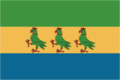 The flag of Boriquén, where stylized depictions of a crowned parrot appear in official regional iconography.
-
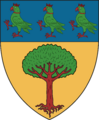 The Coat of Arms of Boriquén incorporates the crowned Cotorra Boriqueña.