

Music of Alduria: Difference between revisions
No edit summary |
|||
| Line 1: | Line 1: | ||
{{Alduria Article}} | {{Alduria Article}} | ||
The '''music of Alduria''' is wide-ranging and reflects its multiethnic diversity through many kinds of music styles | The '''music of Alduria''' is wide-ranging and thoroughly reflects its multiethnic diversity through many kinds of music styles, instruments, and compositions. | ||
Aldurian music is heavily influenced by Caputian, Alexandrian, Euran, Wechu, and Natopian cultures. For example, Wechua influences can perhaps be best heard in wind instruments and the shape of many of the melodies. Alexandrian influences can be heard in the rhythm and percussion instruments, and Caputian influences can be heard in the harmonies and stringed instruments. Each wave of Micras' stateless refugees to Alduria has contributed greatly to the musical melting pot. | |||
The | The Alexandrian influence in Aldurian popular music can be traced to the emergence of Afro-Alexandrian blues. Caputian influences come from the music in the old Church of Hamland. Hammish, Israati, and Haifan musicians honed their crafts and created different indigenous genres that further developed the musical heritage of then-Hamland. | ||
The cities of Punta Santiago, Susa, Alkhiva, Fontainebleau, and Corrada del Rio are among some of the | The origins of Aldurian music arose mainly from the historical conditions and hardships of statelessness that Alexandrians and Caputians experienced after the collapse of those countries. Following the founding of Alduria in the continent of [[Eura]], many immigrants and refugees quickly found employment as musicians playing music in military bands and local entertainment establishments. As more people found employment in the nascent hydrocarbon industry, known for its extremely long hours, songs were spontaneously created and performed in a repetitive, improvised style by the workers. This carried over to the military bands, theatres, and venues all over the country. The most common song structures are the call-and-response and repetitive choruses. The call-and-response is prominently used by oil and gas workers in an effort to stay alert and keep those around them alert and engaged. Singing can also be accompanied by hand clapping and foot-stomping. | ||
The cities of Punta Santiago, Susa, Alkhiva, Fontainebleau, and Corrada del Rio are among some of the most vibrant music scenes in the country, propelling many artists to great national success. Each vibrant music scene often supports a number of regional musical styles and instruments. | |||
==Characteristics== | ==Characteristics== | ||
Revision as of 02:40, 8 June 2019
The music of Alduria is wide-ranging and thoroughly reflects its multiethnic diversity through many kinds of music styles, instruments, and compositions.
Aldurian music is heavily influenced by Caputian, Alexandrian, Euran, Wechu, and Natopian cultures. For example, Wechua influences can perhaps be best heard in wind instruments and the shape of many of the melodies. Alexandrian influences can be heard in the rhythm and percussion instruments, and Caputian influences can be heard in the harmonies and stringed instruments. Each wave of Micras' stateless refugees to Alduria has contributed greatly to the musical melting pot.
The Alexandrian influence in Aldurian popular music can be traced to the emergence of Afro-Alexandrian blues. Caputian influences come from the music in the old Church of Hamland. Hammish, Israati, and Haifan musicians honed their crafts and created different indigenous genres that further developed the musical heritage of then-Hamland.
The origins of Aldurian music arose mainly from the historical conditions and hardships of statelessness that Alexandrians and Caputians experienced after the collapse of those countries. Following the founding of Alduria in the continent of Eura, many immigrants and refugees quickly found employment as musicians playing music in military bands and local entertainment establishments. As more people found employment in the nascent hydrocarbon industry, known for its extremely long hours, songs were spontaneously created and performed in a repetitive, improvised style by the workers. This carried over to the military bands, theatres, and venues all over the country. The most common song structures are the call-and-response and repetitive choruses. The call-and-response is prominently used by oil and gas workers in an effort to stay alert and keep those around them alert and engaged. Singing can also be accompanied by hand clapping and foot-stomping.
The cities of Punta Santiago, Susa, Alkhiva, Fontainebleau, and Corrada del Rio are among some of the most vibrant music scenes in the country, propelling many artists to great national success. Each vibrant music scene often supports a number of regional musical styles and instruments.
Characteristics
Genres
Diversity
Law, Government, and Politics
Industry
Education
Holidays and Festivals
Aldurian Artists
-
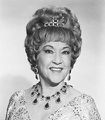 Leslie Loup, known primarily for her distinctive, powerful voice and leading roles in musical theatre, she has been called "the First Lady of the musical comedy stage".
-
 Vivienne Denueve, an Aldurian singer-songwriter, actress, and author.
-
 Marketa Piaget, an Aldurian soul and funk singer. Piaget experienced breakthrough success relatively late in life, releasing her first record when she was 40 years old, working as a corrections officer in Punta Santiago.
-
 Abraham Ocampo, an Aldurian singer, actor, and producer, known as the top-selling Martino salsa artist of all time.


See Also
- This;
- This;
- And this.


